

Fertility and Hormone Signaling: How Kisspeptin Regulates the HPG Axis
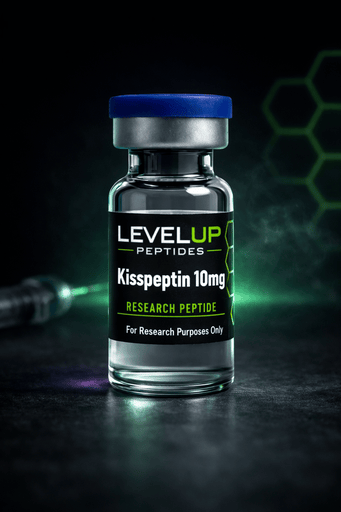
Hormonal balance starts in the brain.
Before testosterone, estrogen, or fertility hormones are released, a small but powerful signaling peptide called Kisspeptin activates the entire process. Over the last two decades, Kisspeptin has become one of the most important discoveries in reproductive hormone research.
If you are exploring endocrine health, fertility signaling, or hormone regulation pathways, understanding how Kisspeptin works is essential.
What Is Kisspeptin
Kisspeptin is a naturally occurring peptide that plays a key role in regulating the hypothalamic pituitary gonadal axis, often referred to as the HPG axis.
The HPG axis controls reproductive hormones in both men and women. Kisspeptin stimulates the release of Gonadotropin Releasing Hormone, also known as GnRH. Once GnRH is released, it signals the pituitary gland to produce:
-
Luteinizing Hormone
-
Follicle Stimulating Hormone
These hormones then influence testosterone production, estrogen balance, ovulation, and overall reproductive function.
In simple terms, Kisspeptin acts as the switch that turns on reproductive hormone signaling.
 Simplified HPG Axis signaling pathway influenced by Kisspeptin.
Why Kisspeptin Is Important in Hormone Research
Unlike direct hormone therapies, Kisspeptin does not replace testosterone or estrogen. Instead, it supports the body’s natural signaling pathway.
This makes it especially interesting in research focused on:
- Hormonal balance
- Fertility signaling
- Testosterone regulation
- Estrogen modulation
- Puberty and developmental endocrinology
Because it works at the top of the hormonal cascade, it influences the system in a more regulatory way rather than forcing hormone levels directly.
How Kisspeptin Works in the Body
Kisspeptin binds to specific receptors in the hypothalamus called GPR54 receptors. Once activated, these receptors stimulate the release of GnRH.
From there, the hormonal cascade begins.
This pathway is responsible for:
- Initiating puberty
- Regulating menstrual cycles
- Supporting testosterone production
- Maintaining fertility signaling
- Managing feedback loops within the endocrine system
When Kisspeptin signaling is disrupted, reproductive hormone production can also be affected. That is why it remains such a central focus in endocrine research.
Kisspeptin and the HPG Axis
The HPG axis is the core communication network for reproductive hormones. Kisspeptin sits at the very top of this system.
Researchers studying hormonal optimization, endocrine disorders, and fertility mechanisms often look at Kisspeptin because of its ability to influence the entire axis from the brain downward.
Rather than targeting hormones at the end of the chain, Kisspeptin influences the starting signal.
Why Quality and Purity Matter
When working with research peptides like Kisspeptin, purity is critical.
At Level Up Peptides, our Kisspeptin is:
- Third party tested
- Verified through HPLC analysis
- Supported with Certificates of Analysis
- Clearly labeled for research use only
Accurate research depends on verified compounds and full transparency.
Final Thoughts
Kisspeptin has reshaped how scientists understand reproductive hormone signaling. As a master regulator of the HPG axis, it controls the initial trigger that drives testosterone, estrogen, and fertility related hormones.
For researchers focused on endocrine signaling, fertility pathways, and hormone balance studies, Kisspeptin remains one of the most important peptides under investigation today.
For laboratory research use only. Not for human consumption.